Coping With the Past
Should we feel shame for our nation's sins?

Beloveds,
In a recent article for the Washington Post, Petula Dvorak explains the German concept of vergangenheitsbewaltigung, “the work of coping with the past.” As post-Nazi Germans knew, the past can be a difficult thing to cope with. Dvorak notes that in recent years, Americans have begun to engage in this work on our own soil, in “films to books to classrooms and museums,” examining past national sins like slavery, racism, and sexism.
Yet the recent executive order “Restoring Truth and Sanity to American History” calls for an end to such work, arguing that a focus on historical wrongs “fosters a sense of national shame.” Museums and monuments, the federal administration says, should instead chronicle our country’s “consistent progress,” celebrating our nation’s achievements rather than calling attention to its faults.
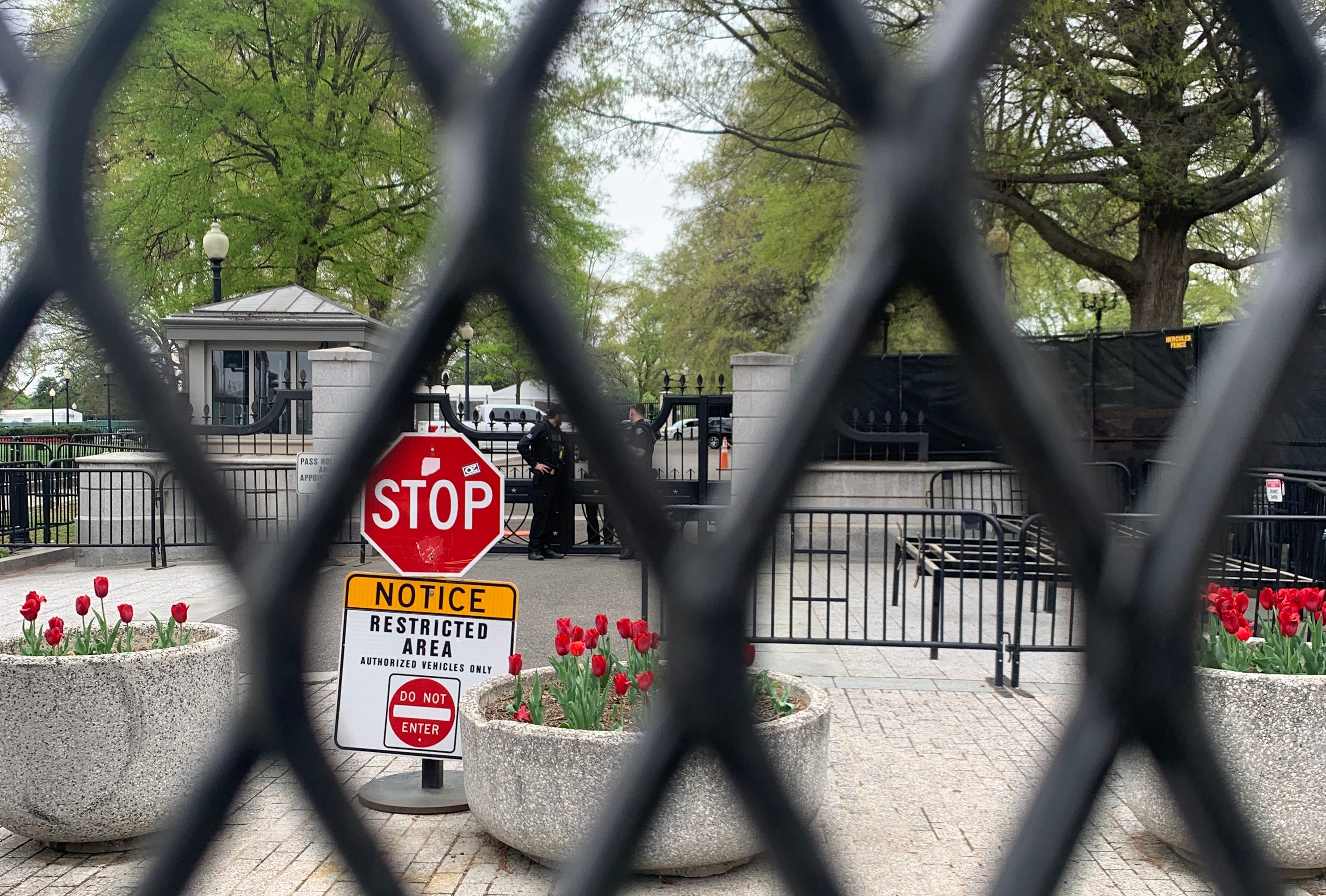
With that and other recent executive orders, the American government’s official work of coping with the past has radically shifted gears. Artifacts are being removed from the National Museum of African-American History and Culture. The historians responsible for compiling our country’s official history of foreign policy have all been fired. Websites about the achievements of underrepresented groups have been deleted. Public schools have been ordered to provide students with “patriotic education” that teaches only “inspiring and ennobling” history. Anything that might cause us to feel a collective sense of shame, it seems, is being erased.
Dvorak argues that the way to combat this erasure is to do away with the notion that history produces shame. She quotes Georgetown history professor Katherine Benton-Cohen, who says that feeling shame about what other people did in the past is “weird.” If you feel such shame, she says, that is “a ‘you’ problem.”
I disagree. I don’t think feeling shame for the sins of the past is weird. I think that when we discover that people with whom we identify have, in the past, committed a serious moral error—particularly if we recognize that we ourselves have benefitted from that error, or if that error is in some way continuing into the present—shame is a normal response. I know that for me, when I discovered that my own ancestors had enslaved human beings, I felt a tremendous amount of shame. No, their actions were not my own. But they were my people. If I did not take responsibility for what they did, who would?
So I guess I might agree with the current federal administration. I agree that the work of coping with the past might, at times, foster some sense of national shame. Where I disagree is with their assumption that such shame is bad and should be avoided at all costs. I believe, rather, that if we lose our capacity for shame—if we become, in a word, shameless—then we are at grave risk of pulling the errors of the past into the present and the future.
The Christian faith is uniquely positioned to help us deal with shame. When we come to know God’s love and forgiveness, we are set free to look squarely at our past sins. We read in the Bible of numerous faith heroes, from Daniel to Ezra to the writers of the Psalms, who did the work of repenting for the sins of past generations. (If all this feels a little familiar, yes, I did write a book about this.)
This month, as we celebrate Juneteenth, when news of emancipation finally reached the furthest corners of the former Confederacy, let’s pray that our nation will someday finally be free to fully face up to our shameful history. If we cannot admit to it, we will never learn to repair it.
I walk around the White House in prayer each first Saturday of the month at 1:00 pm Eastern. I’ll be there again this Saturday. Let me know if you want to join me in person! If you’re able to pray at that time from wherever you are, please do. Grab a friend or form a group at your church to pray with you if you can. If you’re able to fast from something significant to you on that day, I invite you to do that, as well.
Once more around Jericho,
Sarah
Remembering and Repairing the Past
Prayer at the White House and Across America
Saturday, June 7, 1:00 pm Eastern Time
“The Israelites gathered together, fasting and wearing sackcloth and putting dust on their heads... They stood in their places and confessed their sins and the sins of their ancestors.” Nehemiah 9:1-2
Begin by worshiping the God who sees the past, present, and future.
Ask that God would open our eyes and the eyes of our leaders, graciously convicting us of sin and showing us where we have fallen short.
Name and grieve the past sins of our nation as far as you know them.
(Nehemiah 9:2; Daniel 9:8; Psalm 78:4-8)
Pray for God to forgive us as a nation for our sins.
Ask God to show you and your church what your specific next step is in joining God in the work of repairing the sins of the past.
(Ephesians 2:10; Isaiah 61:1-3; James 1:25)